Best Greyhound Betting Sites – Bet on Greyhounds in 2026
 Available in US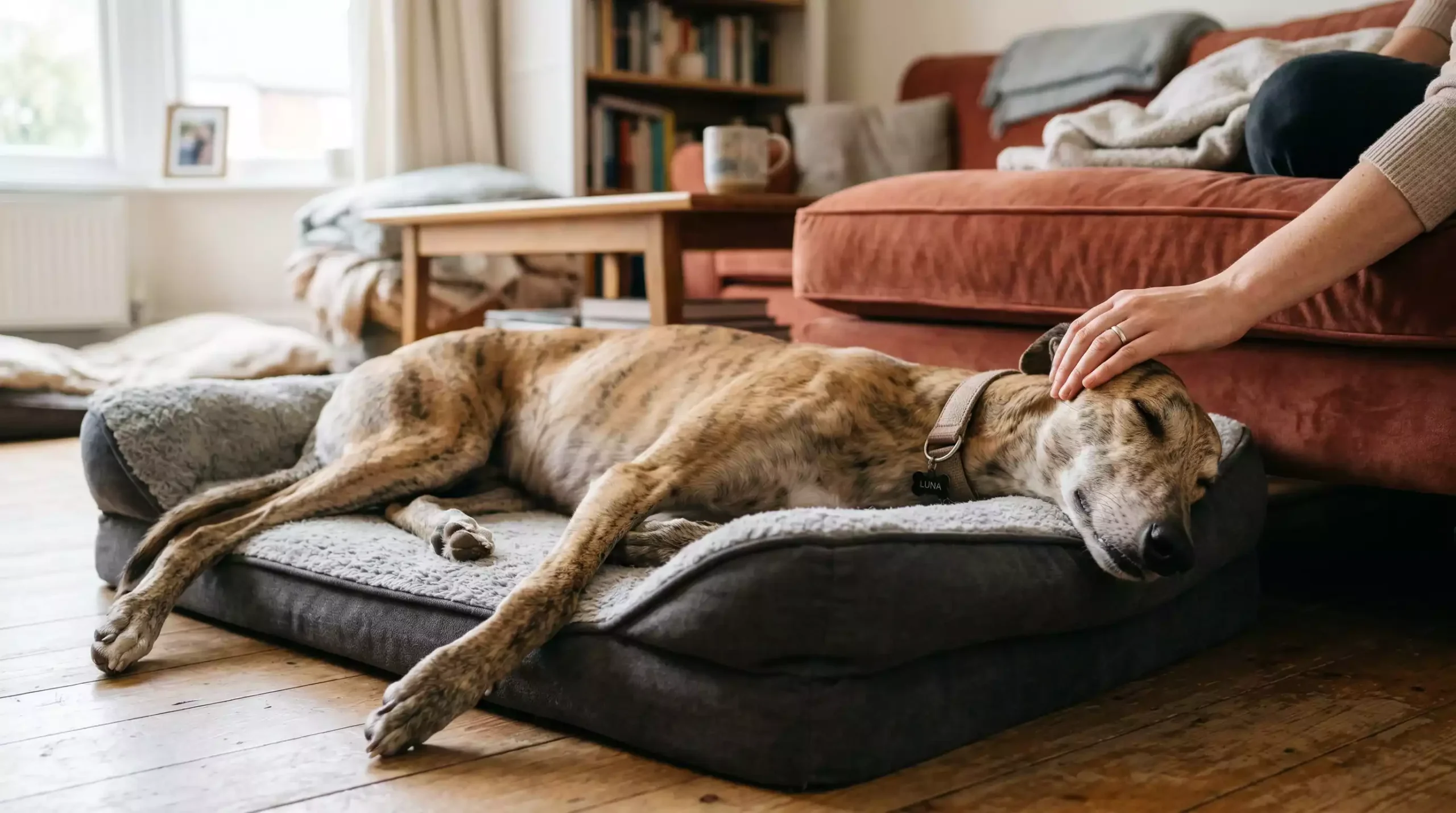
Racing careers end but greyhound lives continue. Every dog that competes at Sheffield Owlerton eventually retires, whether through age, injury, or simply reaching a point where competitive racing no longer suits them. These retired racers need homes. The adoption process connects dogs with families seeking loyal, gentle companions. For punters who watch and bet on Sheffield racing, adoption offers the chance to bring part of the sport into your life permanently.
Greyhounds make excellent pets despite their athletic backgrounds. Their racing careers, typically lasting two to four years, prepare them for retirement rather than working against it. These dogs are accustomed to handling, travel, and routine. They adapt to domestic life more readily than many people expect. Second careers and forever homes await those ready to provide them.
Sheffield Retired Greyhounds Programme
Sheffield Owlerton operates within the framework established by the Greyhound Board of Great Britain for retired racer welfare. The system requires trainers to account for every dog in their care, ensuring clear pathways from racing to retirement. Dogs leaving racing must be tracked to approved outcomes, whether rehoming, return to breeders, or other documented destinations.
The GBGB reports that 94 percent of greyhounds now retire successfully, a figure that has improved significantly since formal tracking began. This percentage represents thousands of dogs annually finding homes, returning to breeding programmes, or entering other appropriate retirement scenarios. Sheffield’s dogs contribute to these national statistics.
Trainers play central roles in rehoming. Many maintain relationships with adoption organisations, transitioning dogs directly from kennel life to rehoming centres when their racing concludes. Others work with breed-specific rescues or private networks. The best trainers take personal responsibility for their dogs’ futures, treating retirement placement as seriously as race performance.
The Greyhound Retirement Scheme bonds trainers financially to welfare outcomes. Each dog registered carries a bond that trainers forfeit if they cannot demonstrate appropriate retirement. This financial incentive complements ethical obligations, ensuring compliance even where commitment might otherwise waver. Sheffield trainers operate under these requirements like all GBGB-licensed professionals.
More than 100 approved homing centres across the UK accept retired greyhounds from racing kennels. These organisations assess dogs, provide any needed veterinary care, and match them with suitable adopters. Sheffield’s geographic position means several established centres operate within reasonable distance, facilitating smooth transitions from track to home.
The Adoption Process
Adopting a retired greyhound involves several stages designed to match dogs with appropriate homes. The process protects both parties: dogs find environments suited to their needs while adopters receive support ensuring successful transitions. Responsible organisations take time to make good matches rather than rushing placements.
Initial enquiries typically involve application forms gathering information about your home, lifestyle, and experience with dogs. Organisations want to understand whether greyhounds suit your circumstances. They ask about garden security, other pets, children, and daily routines. Honest answers help identify potential issues before they become problems.
Home visits follow positive application assessments. Representatives from rehoming organisations visit your property to check fencing, identify potential hazards, and discuss greyhound-specific requirements. These visits feel intrusive to some applicants but serve essential purposes. Greyhounds can clear surprising obstacles and squeeze through unexpected gaps. Secure environments prevent escapees.
Meeting dogs comes next. Centres introduce you to available greyhounds, allowing interaction to assess compatibility. Some dogs suit active households. Others prefer quieter environments. Personality matching matters as much as practical considerations. The dogs have preferences too, showing comfort or unease with potential adopters through their behaviour.
Trial periods sometimes follow initial placements. Dogs settle into new homes while organisations maintain contact, ready to assist with challenges or reclaim dogs if placements fail. These support structures help nervous adopters attempt placements they might otherwise avoid. Knowing help exists encourages commitment through adjustment periods.
Adoption fees contribute to organisational running costs. These charges cover veterinary assessments, neutering or spaying, vaccinations, microchipping, and administrative overheads. Fees vary between organisations but typically represent small fractions of the costs involved in preparing dogs for adoption. Legitimate rescues operate as charities rather than profit-seekers.
What to Expect from a Retired Racer
Retired racing greyhounds arrive with established characteristics that differ from puppies or dogs from other backgrounds. Understanding these traits prepares adopters for successful relationships. Misconceptions about racing dogs persist, often overestimating challenges while underestimating rewards.
Energy levels surprise many adopters. Despite athletic careers, greyhounds are not hyperactive pets. They sprint intensely for short periods, then rest extensively. The typical retired greyhound sleeps sixteen to eighteen hours daily, earning their reputation as couch potatoes. Two twenty-minute walks usually satisfy their exercise needs. Owners expecting marathon running partners find mellow loungers instead.
Socialisation varies between individuals. Some racing greyhounds have experienced little beyond kennel life, racing, and training. Novel situations may cause uncertainty. Others have received extensive exposure and adapt readily. Patience helps nervous dogs build confidence. Most adjust fully within weeks or months, becoming relaxed household members.
Small animals require consideration. Greyhounds possess strong prey drives developed through breeding and reinforced through chasing lures. Some retired racers cannot safely live with cats, rabbits, or similar pets. Others coexist peacefully. Muzzle testing and gradual introductions reveal individual temperaments. Never assume compatibility without assessment.
House training usually succeeds quickly. Racing dogs live in kennels with outdoor access, developing habits that transfer to domestic routines. They prefer doing their business outside and rarely soil indoor spaces once patterns establish. Initial supervision prevents accidents during adjustment periods, but full house training typically comes faster than with puppies.
Health considerations reflect racing backgrounds. Retired greyhounds may carry minor injuries that do not affect quality of life but warrant monitoring. Their thin coats and low body fat make them sensitive to cold, often requiring jackets in winter. Regular veterinary checks, standard for any dog, identify developing issues before they become serious.
Local Rehoming Contacts
Several organisations operating near Sheffield accept retired greyhounds and facilitate adoptions to suitable homes. These centres vary in size and approach but share commitment to finding good outcomes for retired racers. Contacting multiple organisations may identify dogs suited to your specific circumstances.
The Greyhound Trust operates nationally with regional branches serving different areas. As the sport’s primary welfare partner, it handles significant numbers of retired dogs annually. Their network includes centres within reach of Sheffield, providing assessment and matching services backed by decades of experience. The Trust’s scale means diverse dogs available at any given time.
Breed-specific rescues operate independently alongside the Trust. These organisations often take dogs the larger network cannot immediately place, providing longer-term rehabilitation for dogs with behavioural or health challenges. Their specialist focus allows intensive work with individual animals. Adopters willing to address specific needs find rewarding partnerships through these routes.
Some trainers place dogs directly with adopters they know personally. Long-standing relationships between trainers and trusted homes allow informal placements outside organisational structures. If you know Sheffield trainers socially, expressing adoption interest may connect you with dogs as they retire. These arrangements lack formal support structures but can work well where trust exists.
Online resources list available greyhounds across the UK. Websites aggregate dogs from multiple organisations, allowing search by location, age, and temperament. Sheffield-area adopters can identify nearby options through these platforms, then contact specific organisations about dogs of interest. Technology has simplified discovery though personal visits remain essential for final decisions.
Adopt a Sheffield Greyhound — More on this topic at sheffield dogs results.
See also Sheffield Hurdle Racing.
