
Best Greyhound Betting Sites – Bet on Greyhounds in 2026
 Available in US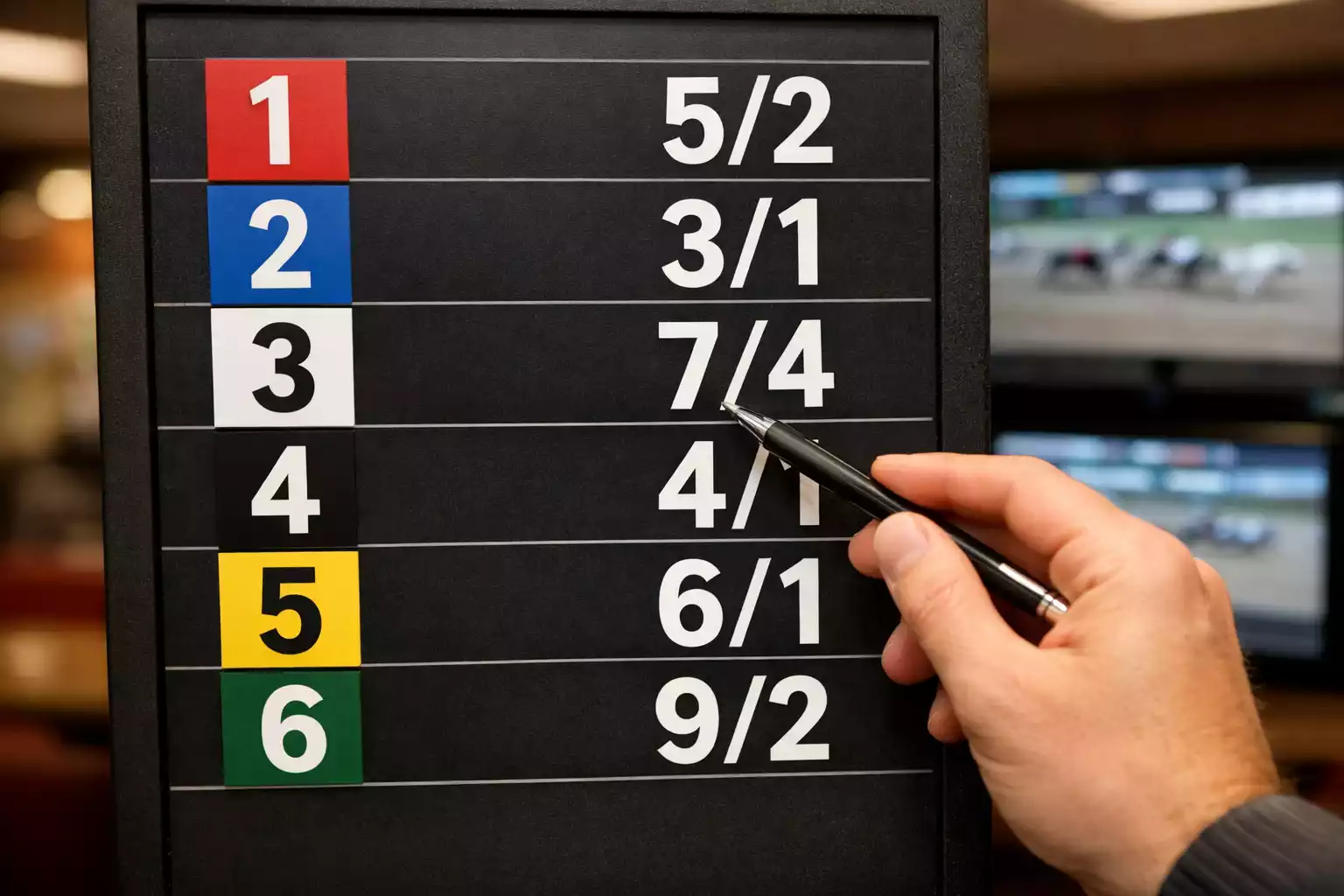
Greyhound betting in the United Kingdom represents a substantial gambling market that most casual observers underestimate. According to the GREY2K World Stage Report, UK greyhound wagering generated approximately £1.81 billion in betting turnover in 2024, placing it among the larger segments of British sports betting despite receiving far less media attention than horse racing or football.
Sheffield dogs tips require understanding both the mechanics of greyhound betting and the specific conditions at Owlerton that affect race outcomes. This guide covers everything from basic win bets through complex tricasts, explaining how each market works, when to use each bet type, and how to develop a systematic approach to Sheffield wagering. Whether you place occasional bets for entertainment or pursue greyhound betting seriously, mastering these fundamentals improves your decision-making.
The betting landscape has evolved considerably over recent years. Online bookmakers offer more markets and better prices than traditional betting shops, while features like best odds guaranteed have shifted value toward informed punters. Understanding these changes and how they apply specifically to Sheffield racing will help you approach the betting shop or online account with realistic expectations and a coherent strategy.
Sheffield Owlerton stands as one of Britain’s premier greyhound venues, hosting hundreds of racing fixtures annually. The track’s busy schedule creates consistent betting opportunities for punters who develop familiarity with its conditions, regular competitors, and racing characteristics. This guide frames general betting principles within Sheffield’s specific context, helping you apply universal concepts to the track you actually bet on.
Understanding Greyhound Odds
Odds represent the bookmaker’s assessment of each dog’s winning probability, expressed as potential payouts for successful bets. British greyhound racing primarily uses fractional odds, though decimal formats appear increasingly online. Learning to read both formats ensures you never miss value because you misunderstood the price.
Fractional odds show profit relative to stake. Odds of 3/1 mean you profit three pounds for every pound wagered, plus your stake back, for a total return of four pounds. Odds of 2/5 mean you profit two pounds for every five wagered, requiring a larger stake to achieve meaningful returns. The favourite in a race typically shows short prices like 2/1 or shorter, while outsiders may drift to 10/1 or beyond.
Decimal odds express total return including stake. The same 3/1 in fractional format appears as 4.00 in decimal, meaning a one-pound bet returns four pounds total. Decimal 1.40 equals fractional 2/5. Many punters find decimals easier for calculating returns on complex bets, though tradition keeps fractionals dominant in British betting shops.
Morning prices appear early on race day, offering fixed odds before extensive market activity shapes final prices. These early prices sometimes offer value when bookmakers misjudge form or when news emerges later that changes the market. However, morning prices also carry risks because information gaps might explain why a price looks generous.
Starting price, commonly abbreviated SP, represents the odds available at race start after all market activity concludes. Taking SP means accepting whatever price exists when the traps open, eliminating the risk of price drift but also missing opportunities to lock in better early prices. SP serves as a fallback when you lack time to secure fixed odds.
Board prices at betting shops display current fixed odds for each runner, updated as money flows into the market. A dog might open at 5/1, drift to 6/1 as punters back other runners, then shorten to 4/1 as late money supports it. Watching price movements sometimes reveals where informed money is flowing, though interpreting these signals requires experience.
Bet Types: Win, Place, Each-Way
Win betting represents the simplest wager in greyhound racing. Select one dog, bet any amount, and collect if that dog finishes first. Win bets are straightforward to understand and easy to track, making them the default choice for newcomers and the foundation upon which more complex strategies build.
Place betting offers lower returns in exchange for higher hit rates. A place bet wins if your selection finishes in the first two positions in a standard six-runner greyhound race. Place odds typically pay at one-quarter of the win odds, so a 4/1 winner would pay approximately 1/1 for a place. The mathematics favour place betting for punters seeking consistent small returns rather than occasional larger payouts.
Each-way betting combines win and place into a single wager at double the stated stake. A five-pound each-way bet costs ten pounds, splitting into five pounds on win and five pounds on place. If the dog wins, you collect on both portions. If it places without winning, you collect only the place portion. Each-way suits situations where you believe a dog will finish in the frame but face uncertain winning prospects.
The mathematics of each-way betting require careful consideration. At very short prices, each-way rarely makes sense because the place portion offers minimal value. At very long prices, each-way might waste stake on the place portion when the dog either wins outright or finishes nowhere. The sweet spot lies somewhere in between, typically in the 3/1 to 8/1 range where place returns remain meaningful without sacrificing too much stake to insurance.
Sheffield’s six-runner fields make place terms consistent across races. Unlike horse racing where place terms vary with field size, greyhound place bets always pay on the first two finishers. This consistency simplifies calculations and allows direct comparison of each-way value across different races and meetings.
Stake sizing for basic bets depends on your betting goals and bankroll. Professional approaches typically risk no more than two percent of available funds on any single bet, preserving capital through inevitable losing runs. Casual punters might accept higher variance for entertainment value, but understanding the mathematics helps calibrate expectations regardless of approach.
Dead heat rules occasionally affect place betting when two dogs share a position. In the rare event of an exact tie for second place, place bets on both dogs pay at half stakes. The actual occurrence of dead heats in greyhound racing is uncommon given electronic timing precision, but understanding the rule prevents confusion when reviewing betting terms. Photo finishes that appear close typically resolve to distinct finishing times rather than true ties.
Comparing bookmaker terms across different firms sometimes reveals value in basic bet markets. One bookmaker might offer better place odds while another shows superior win prices. Shopping around before placing bets, particularly for larger stakes, can meaningfully improve long-term returns. The effort involved scales with stake size: casual five-pound bets rarely justify extensive comparison, while fifty-pound selections warrant checking multiple sources.
Forecast and Tricast Betting
Forecast betting requires predicting the first two finishers in exact order. A straight forecast names one dog to win and another to place second. Get both predictions correct and you collect; get either wrong and you lose. Forecast payouts reflect the difficulty of this task, often delivering returns substantially exceeding win-only betting when successful.
Reverse forecasts cover both possible finishing orders between two dogs. Instead of betting dog A to beat dog B, you bet on both A first/B second and B first/A second. This doubles your stake but eliminates the need to distinguish between two dogs you believe will dominate without knowing which will prevail. Reverse forecasts suit situations where you confidently identify the likely first two finishers but cannot separate them.
Combination forecasts extend coverage further by including multiple selections. A combination forecast naming three dogs covers all six possible first/second combinations among those three selections. The stake multiplies accordingly, but so does the probability of hitting a winning combination. Sheffield’s six-runner fields make three-dog combination forecasts popular because they cover significant portions of possible outcomes.
Tricast betting raises the stakes by requiring exact prediction of first, second, and third finishers. Straight tricasts name all three positions specifically, while combination tricasts cover all possible arrangements among selected dogs. The mathematics become substantial: a three-dog combination tricast involves six possible arrangements at six times the unit stake, while a four-dog combination covers twenty-four possibilities.
Payout calculation for forecasts and tricasts follows complex formulas based on starting prices. Unlike fixed-odds win betting, these exotic markets typically pay based on a computer straight forecast or tricast calculation using SP odds. Returns vary dramatically based on the specific finishing order and whether favourites or outsiders fill the positions.
Strategic use of forecasts suits races where you have strong views about multiple runners rather than a single selection. If form analysis suggests three dogs clearly outclass the field, a combination forecast covering all permutations might offer better value than backing any single dog to win. The approach trades off bigger swings for potentially larger payouts when your reading of the race proves accurate.
The variance in forecast and tricast betting exceeds simple win betting substantially. Long losing runs occur more frequently because predicting multiple positions proves harder than predicting just the winner. Budget accordingly by reducing stake sizes compared to win bets, ensuring that inevitable cold spells do not deplete your bankroll before profitable stretches arrive.
Best Odds Guaranteed Explained
Best odds guaranteed, widely known as BOG, represents one of the most valuable offers in greyhound betting. When a bookmaker offers BOG, they commit to paying at either the price you took or the starting price, whichever proves higher. This guarantee eliminates the common frustration of taking a price only to see it drift substantially before the race.
The mechanics work simply. You back a dog at 4/1 in the morning. By race time, the starting price has drifted to 5/1. Under BOG terms, your winning bet pays at 5/1 rather than your lower fixed price. Conversely, if the price shortens to 3/1, you still receive your original 4/1. The guarantee works asymmetrically in the punter’s favour.
Not all bookmakers offer BOG on greyhounds, and terms vary among those that do. Some apply BOG only to win bets, excluding place and each-way wagers. Others restrict BOG to specific meetings or stake sizes. Checking the fine print before betting ensures you understand exactly what protection applies to your wagers at Sheffield and other tracks.
The strategic implication of BOG encourages early price-taking. Without BOG, punters sometimes wait for starting price to avoid the risk of taking a price that later drifts. With BOG available, the calculus changes: take any reasonable price early because you are protected against drift while retaining the benefit of any shortening. This shifts the risk profile substantially in the punter’s favour.
Sheffield’s regular BAGS meetings attract BOG offers from multiple bookmakers competing for greyhound betting business. Shopping around among firms offering BOG on the same races occasionally reveals price discrepancies worth exploiting. The punter who checks several bookmakers before committing captures both the best price and the best BOG terms available.
The BAGS Meeting System
BAGS stands for Bookmakers Afternoon Greyhound Service, the system through which betting shops receive afternoon and evening greyhound racing content. Sheffield operates numerous BAGS meetings throughout the week, scheduled specifically to provide betting shop customers with racing coverage during hours that complement other sports.
The BAGS system emerged to fill gaps in the betting calendar. When horse racing runs infrequently or major sports events do not occur, BAGS greyhound meetings ensure betting shops always have live action to offer customers. This commercial arrangement between bookmakers and tracks funds the majority of British greyhound racing, making BAGS central to the sport’s economics.
Sheffield’s BAGS schedule typically includes multiple meetings weekly, spread across afternoon and evening slots. Tuesday, Thursday, and Friday evenings feature prominently, alongside weekend fixtures that might run during afternoon or early evening depending on the overall racing calendar. The consistency of this schedule makes Sheffield a reliable venue for punters seeking regular greyhound action.
Race quality at BAGS meetings varies from lower-grade affairs to competitive open races. The schedule prioritises volume and coverage over exclusively prestige competitions, meaning most BAGS cards feature graded racing populated by local dogs. This creates opportunities for punters who invest time studying Sheffield form, as the same dogs reappear frequently enough to reveal patterns.
The commercial nature of BAGS influences how you should approach betting. Bookmakers profit from BAGS partially through the betting margins built into their prices. Understanding this reality helps calibrate expectations: consistent profitability requires overcoming the built-in house edge, which demands either genuine informational advantage or exceptional value identification skills.
Coverage of BAGS meetings extends beyond betting shops to online streaming platforms. Punters can watch Sheffield races live through various services, enabling remote betting with full visual access to the action. This accessibility has expanded the audience for BAGS racing beyond traditional betting shop customers to anyone with an internet connection and betting account.
Sheffield Owlerton hosts approximately 260 race meetings annually according to the venue’s official information, demonstrating the substantial volume of BAGS racing at the track. This frequency creates rich data sets for analysis while providing ample opportunities to test betting strategies across varied conditions. The sheer number of races means form patterns emerge more quickly than at tracks with less frequent meetings.
Building a Sheffield Betting Strategy
Systematic betting outperforms haphazard punting over time, even when individual selections prove imperfect. A coherent Sheffield strategy begins with form analysis, incorporates trap statistics, considers market prices, and applies consistent staking. Each element contributes to informed decisions that accumulate toward better long-term outcomes.
Start every session by reviewing the racecard thoroughly before committing any stake. Identify dogs with improving form, cross-reference trap draws against running styles, and note any significant weight changes or trainer patterns. This preparation takes time but prevents the impulsive betting that erodes bankrolls faster than losing selections do.
Trap bias at Sheffield favours inside draws, particularly at sprint distances. Build this knowledge into your analysis by upgrading dogs drawn in traps one and two while downgrading those in five and six. The adjustment should not be automatic but should influence marginal decisions where form analysis alone fails to separate contenders.
Value identification matters more than selection accuracy. Backing a dog at 4/1 that deserves 3/1 loses money over time despite the dog winning regularly. Backing a dog at 5/1 that deserves 3/1 makes money over time even when the dog loses more often than it wins. This counterintuitive reality separates profitable betting from entertainment betting.
Staking discipline preserves capital through inevitable losing periods. The temptation to chase losses with bigger bets often destroys bankrolls faster than poor selection does. Flat staking, where every bet risks the same amount, provides the simplest discipline. Percentage staking, where bets risk a fixed proportion of current bankroll, automatically adjusts for swings while maintaining proportional risk.
Record keeping enables improvement over time. Track every bet including selection, odds, stake, and outcome. Review results periodically to identify patterns: perhaps your Sheffield sprint picks outperform your staying trip selections, or your forecast betting underperforms despite good selections. Data-driven reflection reveals where to focus improvement efforts.
Specialisation often beats generalisation. Knowing Sheffield deeply produces better results than knowing multiple tracks superficially. The punter who studies every Sheffield fixture, learns the regular dogs and trainers, and accumulates track-specific insights develops genuine informational advantages that casual bettors across multiple tracks cannot match.
The regulated nature of British greyhound racing provides a framework for informed betting. Only 21 licensed tracks remain in operation across the United Kingdom, a consolidation from more than 77 venues at the sport’s peak. This smaller circuit makes genuine expertise achievable for dedicated punters willing to specialise. Sheffield’s prominent position among these remaining venues ensures consistent racing and data availability for those committed to serious analysis.
Emotional control separates sustainable betting from gambling addiction. Set session limits before you start and honour them regardless of results. Winning sessions do not justify extended betting; losing sessions do not justify chasing. The informed decision approach treats betting as a statistical exercise rather than an emotional experience, accepting short-term variance while focusing on long-term process.
Industry Economics: Where the Money Goes
Understanding how money flows through greyhound racing illuminates why the betting markets function as they do. Bookmakers generated approximately £800 million in turnover on licensed greyhound races during the 2022/23 financial year, a substantial sum that sustains both the betting industry and the sport itself.
The British Greyhound Racing Fund receives voluntary contributions from bookmakers, currently set at 0.6% of greyhound betting turnover. These contributions fund prize money, welfare initiatives, and track operations that keep the sport viable. In the 2024-25 financial year, BGRF received £6.75 million through this mechanism, a significant sum though one that has declined substantially in real terms over recent years.
The decline in bookmaker contributions represents a serious challenge for greyhound racing. According to GBGB analysis, voluntary contributions have fallen by 67% in real terms between 2008/09 and 2024/25. This funding squeeze affects everything from prize money to welfare programmes, creating pressure throughout the sport.
Industry analysis indicates serious concerns about the long-term sustainability of current funding arrangements. Mark Bird, CEO of the Greyhound Board of Great Britain, has stated: “The long-term future of the greyhound racing industry depends on the voice of the people; it is critical that every bookmaker who takes bets from licensed greyhound racing pays an equal amount so that we as an industry can continue to provide the best standards of greyhound welfare.” The GBGB has launched a petition calling for a statutory levy on bookmakers, warning that without increased financial contributions from the betting industry, greyhound welfare programmes face an uncertain future.
The economics affect punters indirectly through market liquidity and pricing. As overall betting activity declines, markets sometimes become thinner, and prices may become less competitive. Understanding these dynamics helps explain why greyhound odds sometimes differ from those implied by pure probability, with bookmakers requiring higher margins on less-liquid markets.
Sheffield’s position as a major BAGS venue helps insulate it from some industry pressures. Tracks with consistent bookmaker demand for coverage maintain stronger commercial positions than those operating on the margins. The regular fixtures and reliable betting turnover at Owlerton support continued investment in the facility and racing programme.
For punters, industry economics translate into practical considerations. Strong tracks like Sheffield offer competitive markets with reasonable pricing, while struggling venues might show wider margins. The welfare funding that flows from betting contributions supports racing integrity through veterinary oversight, track maintenance, and regulatory enforcement. These invisible supports enable the fair competition that makes informed betting viable rather than arbitrary.
Sheffield Greyhound Betting Guide — More on this topic at sheffield dogs results.
See also Sheffield Race Distances.
